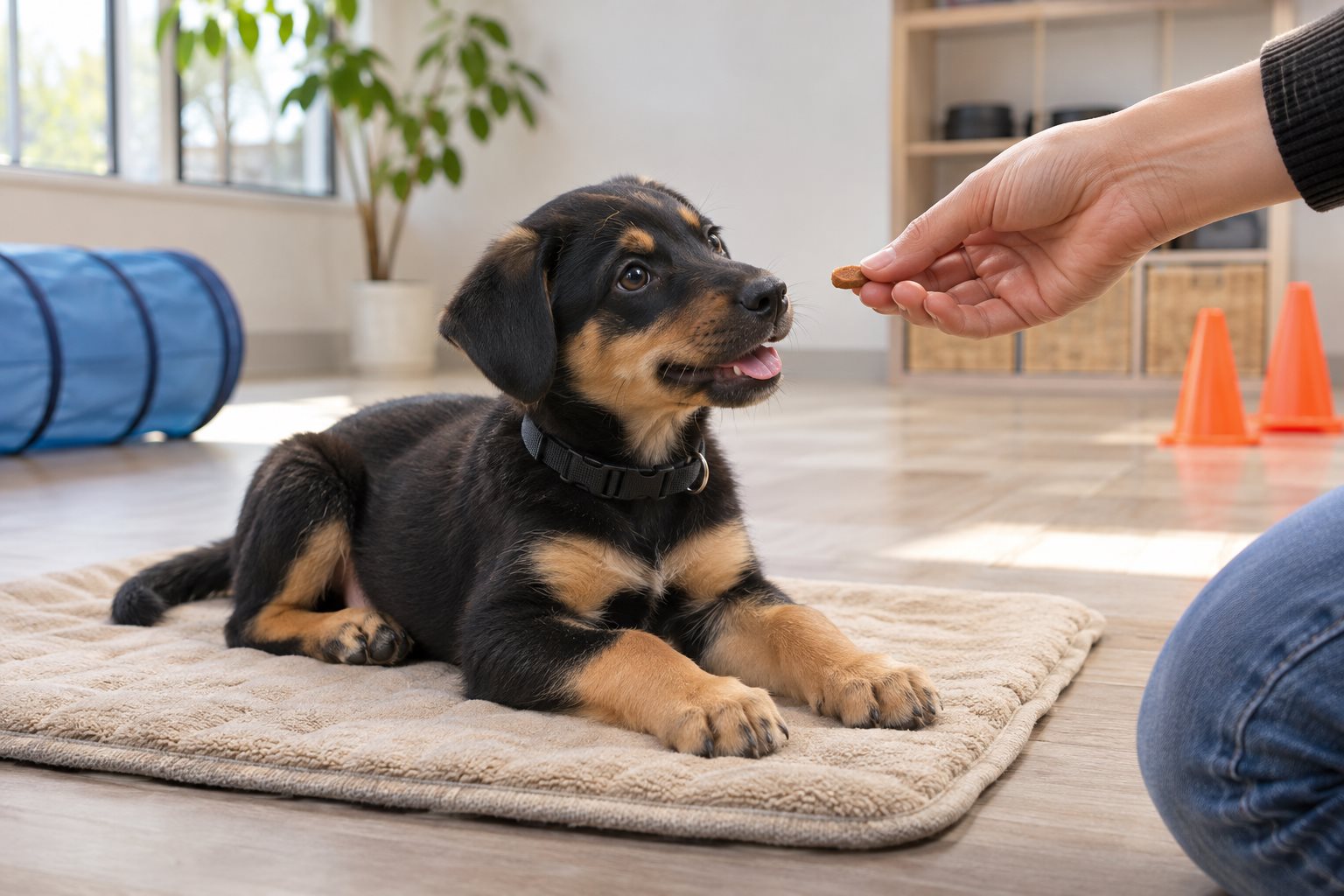
Puppy foundations
Gentle introductions to settling, recall, handling and the everyday experiences a young dog is learning to understand.
- A calm starting point
- Everyday skills
- Practice between sessions
Reward-based dog training
Practical, kind training for the dog in front of you and the life you share. Build useful skills at a pace that feels manageable, from puppy foundations to everyday walks.
Gentle introductions to settling, recall, handling and the everyday experiences a young dog is learning to understand.
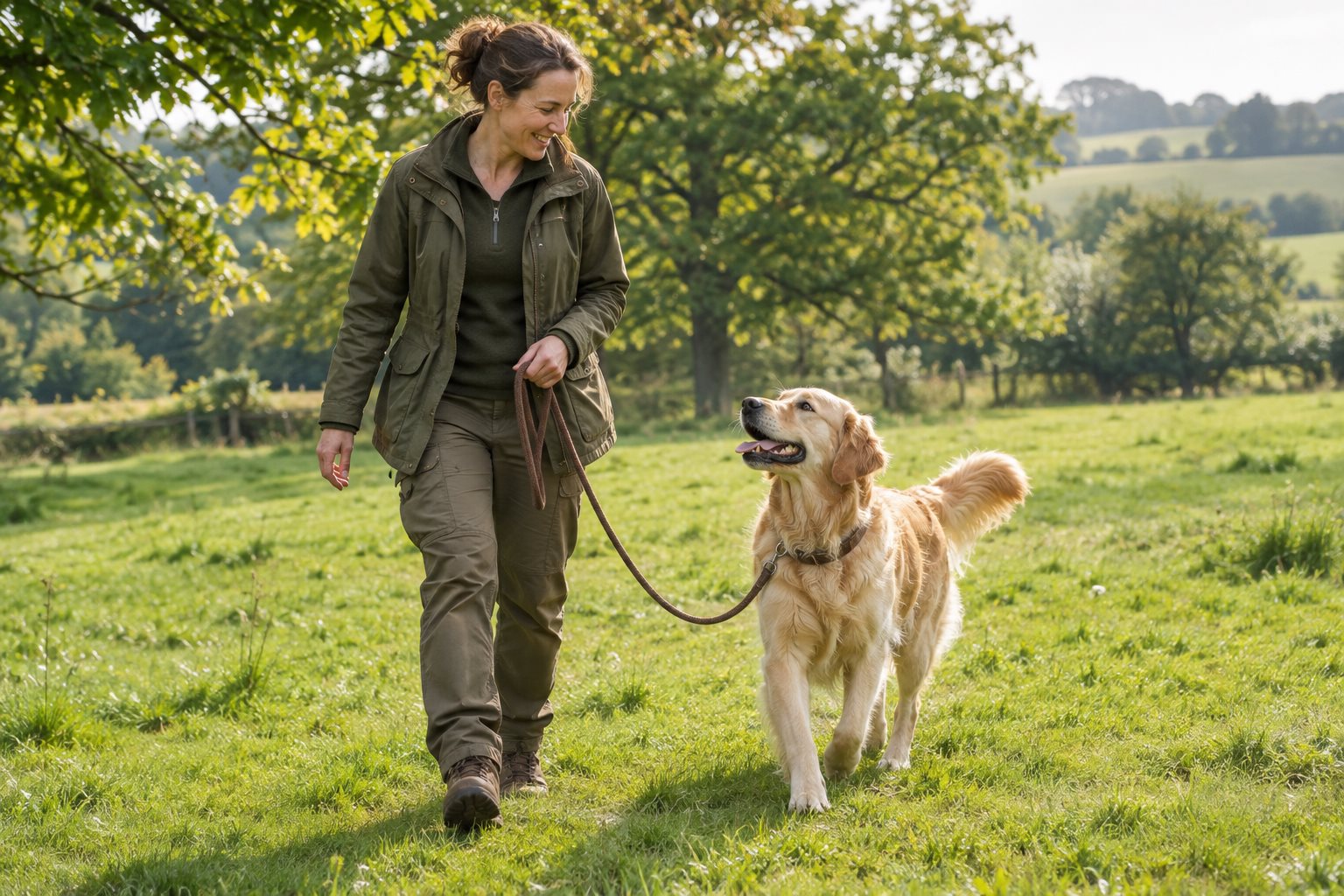
Work on the moments that shape daily life: walking together, coming when called and finding a little more calm.
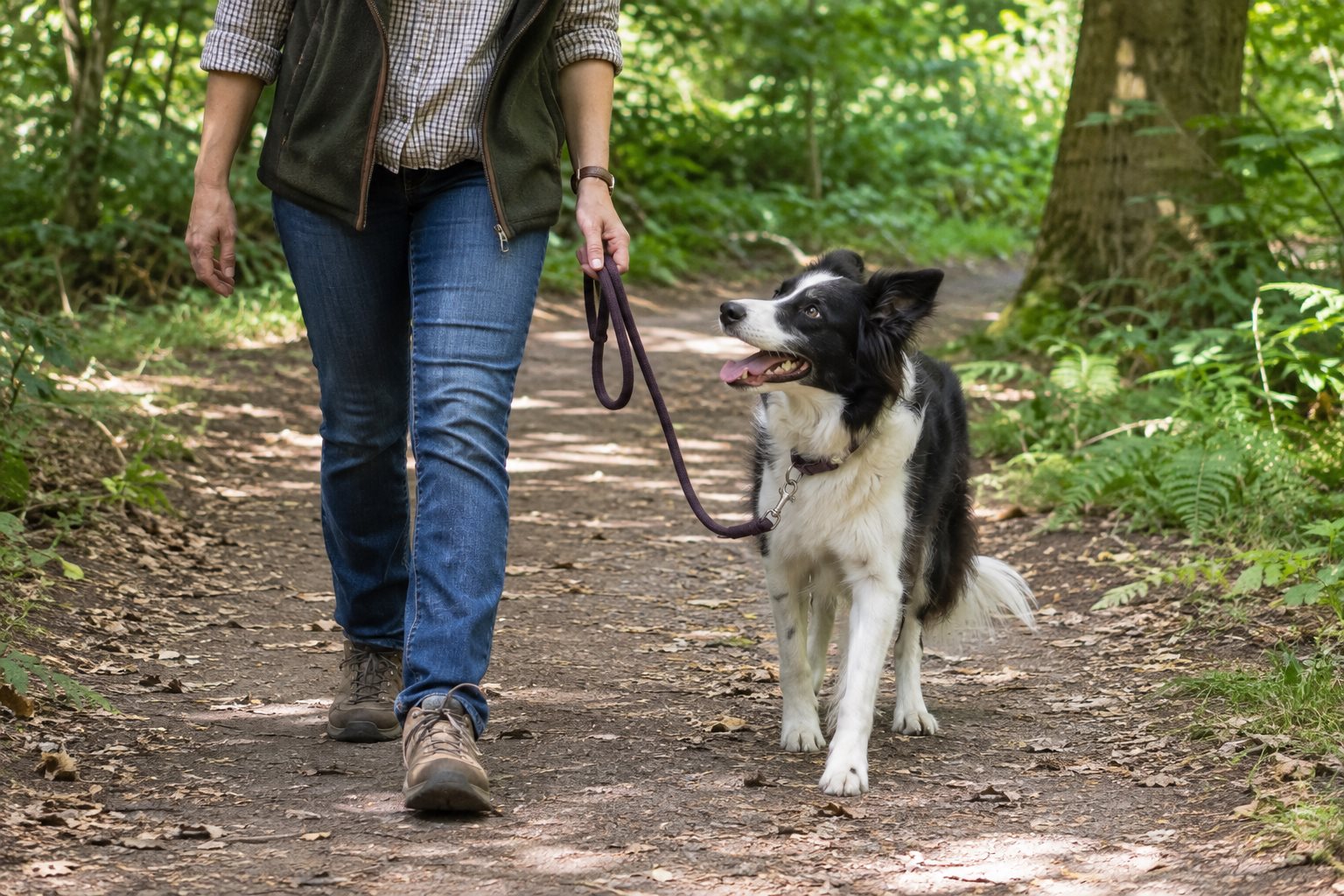
Build skills around other dogs in a supportive setting, with space to pause and practise at your own pace.
Training is about more than a perfectly timed cue. It is about understanding what your dog finds easy, what feels difficult and how to make progress together.
Our approach makes room for the whole picture: the places you walk, the people you live with and the little habits that shape each day. We begin there, then build a practical plan you can keep using.
Begin with your dog’s history, daily routine and the changes you would like to make.
Break useful skills into small steps that can fit into ordinary days.
Reward what is working and adapt the plan when a dog needs more space or a different approach.
Share their age, routine and the situations you would like help with.
Discuss whether individual support or a group class is the most useful first step.
Leave with a small, clear plan to work on between sessions.
Before you begin
Tell us how your dog feels around other dogs and people. That conversation helps us recommend a suitable first step.
Ask about the setting before your first session. We can discuss suitable rewards, equipment and any access needs.
Yes. Describe the situation in your enquiry so the conversation can begin with what matters to you.