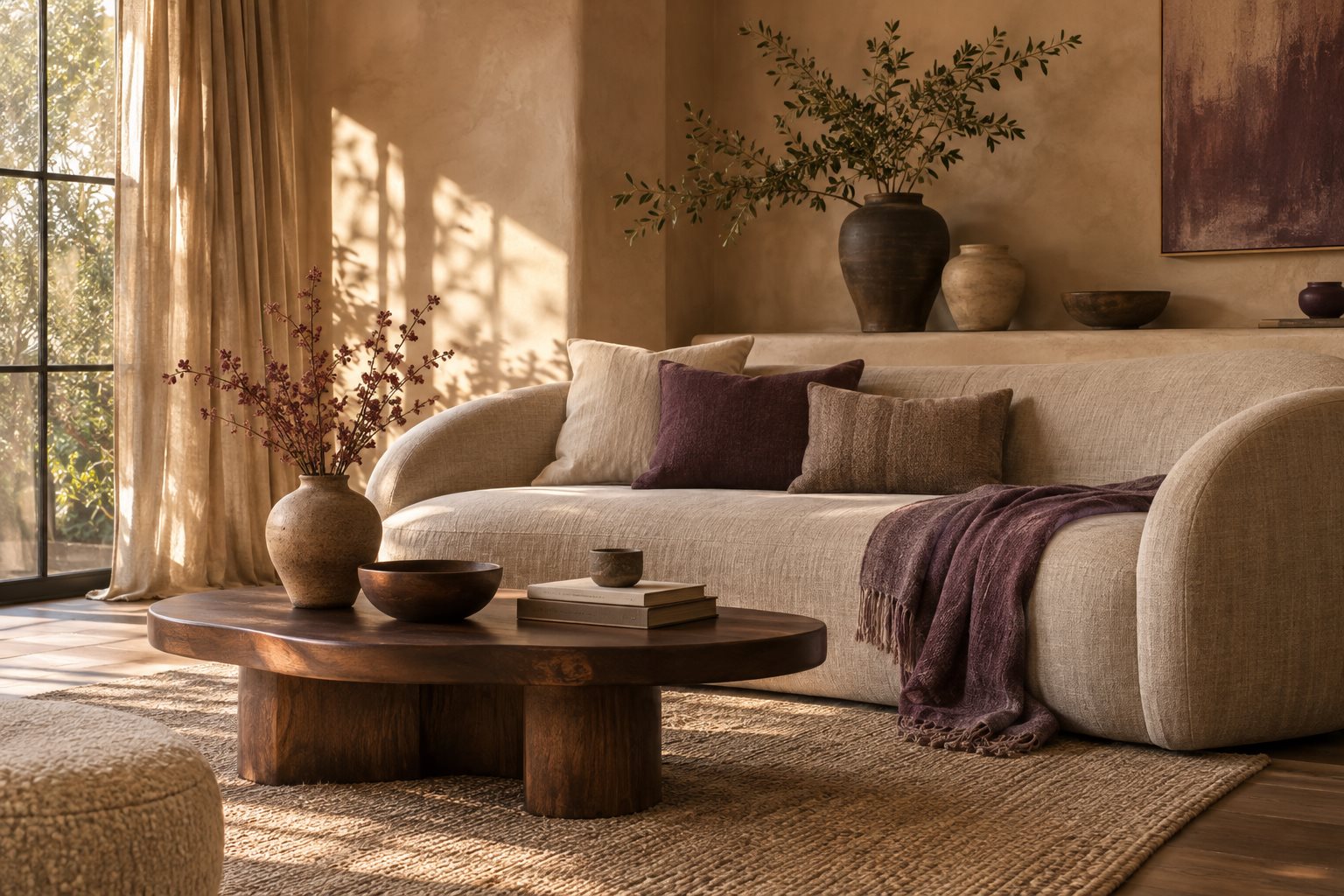
A room, reconsidered
A focused look at one space, from its layout and lighting to the pieces that make it useful.
EnquireInteriors with feeling
Rooms that feel like somewhere you belong. Considered interiors shaped around daily life, useful objects and the materials you enjoy living with.
A focused look at one space, from its layout and lighting to the pieces that make it useful.
Enquire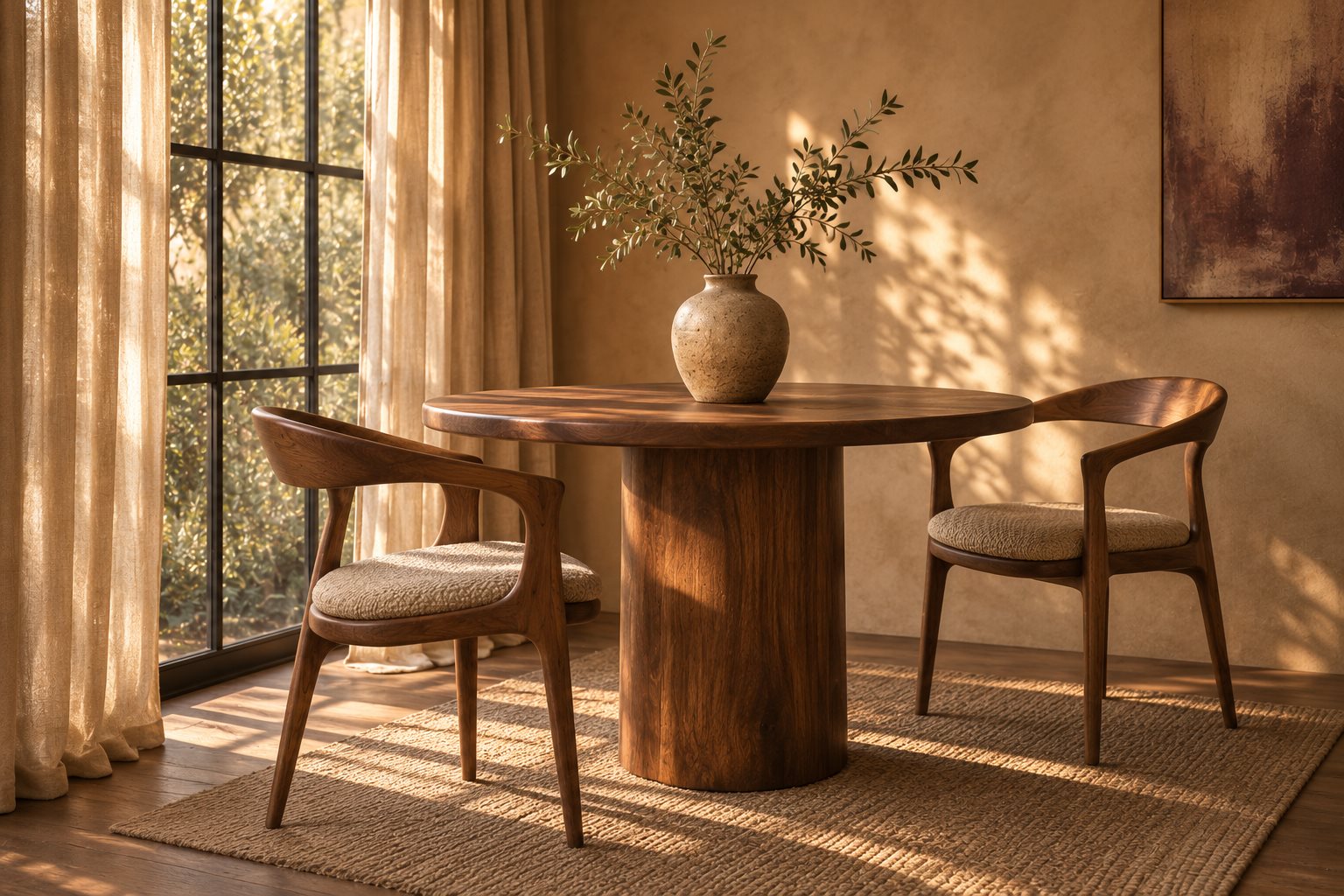
A connected approach to rooms, materials and everyday routines across a home.
EnquireBring existing pieces, new finds and the final details into a comfortable, coherent setting.
EnquireA useful interior supports the way a room is used, from busy mornings to quieter parts of a week.
Existing furniture, meaningful objects and the building itself can give the scheme a personal starting point.
Texture, light and proportion can make a room feel considered without adding more than it needs.
Share the rooms, practical frustrations and things you would like to keep.
Explore layouts, materials and a palette that makes sense for the space and the people in it.
Agree the specification, ordering responsibilities and steps needed to put the scheme into practice.
A room can be beautiful and still leave nowhere comfortable to put a lamp, a book or the things that arrive at the end of a day. Practical questions are part of the design, rather than something to solve afterwards.
Nest brings those questions together with colour, material and atmosphere. The aim is an interior that feels personal, works in ordinary life and leaves room for a home to keep changing.
Before you begin
Share the pieces that matter and what you would like to keep, so they can be considered from the beginning.
A focused room can be a useful starting point. Talk through the scope and the decisions you need help making.
Responsibilities, budgets, ordering and any trade arrangements are agreed as part of the project scope.